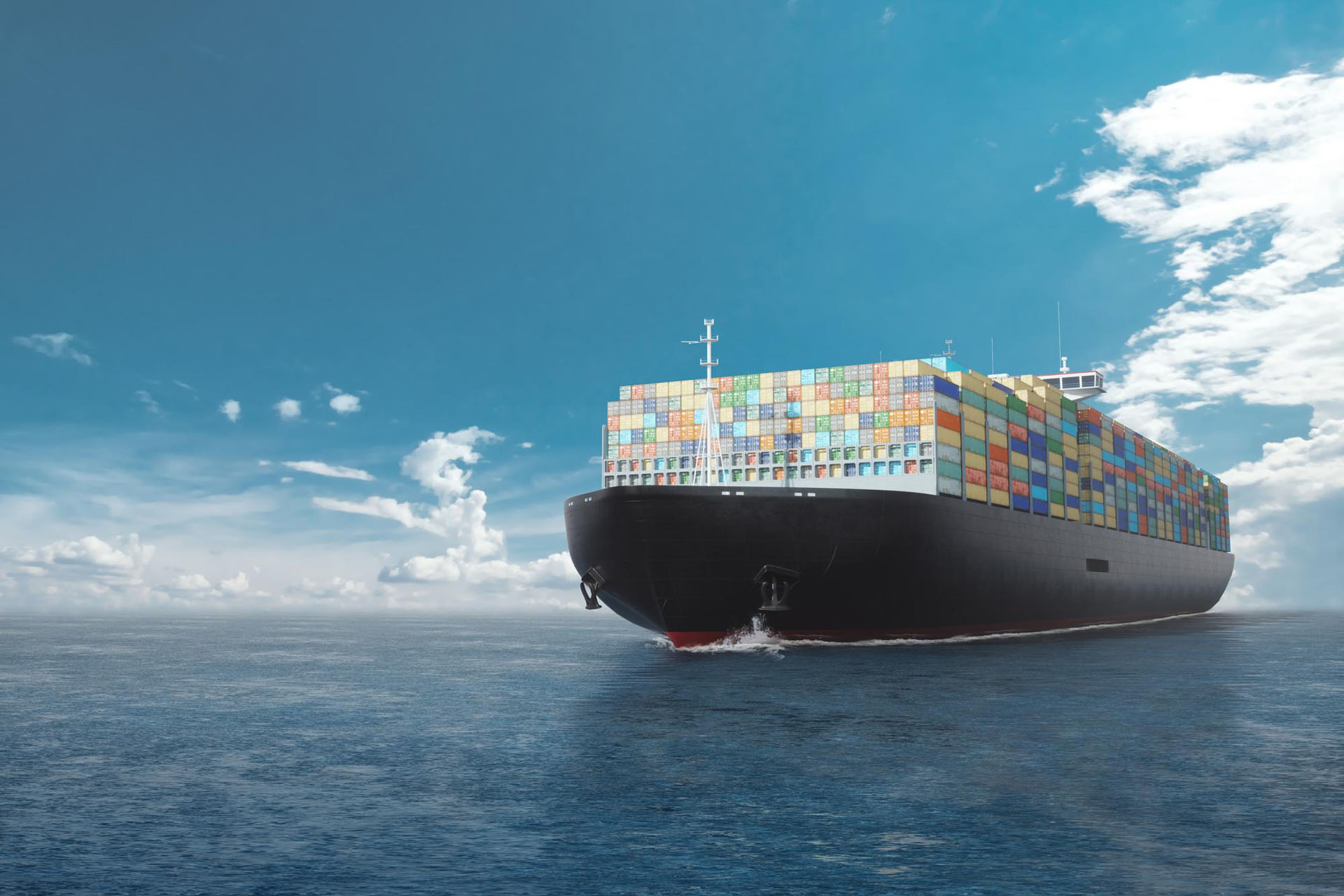
Supply chain disruptions refer to unexpected events or factors that disrupt the normal flow of goods, services, or information within a supply chain network. These disruptions can have significant negative impacts on businesses, including delays, increased costs, reduced customer satisfaction, and even financial losses. Supply chain resilience, on the other hand, refers to a supply chain’s ability to anticipate, prepare for, respond to, and recover from disruptions, ensuring minimal disruption to operations and the ability to bounce back quickly.
Natural Disasters
Events like earthquakes, hurricanes, floods, and wildfires can disrupt transportation routes, damage infrastructure, and disrupt production facilities.
Geopolitical Tensions
Trade disputes, sanctions, and political instability in certain regions can lead to trade disruptions and supply chain bottlenecks.
Supplier Issues
Problems such as bankruptcy, financial instability, quality issues, or production delays with suppliers can ripple through the entire supply chain.
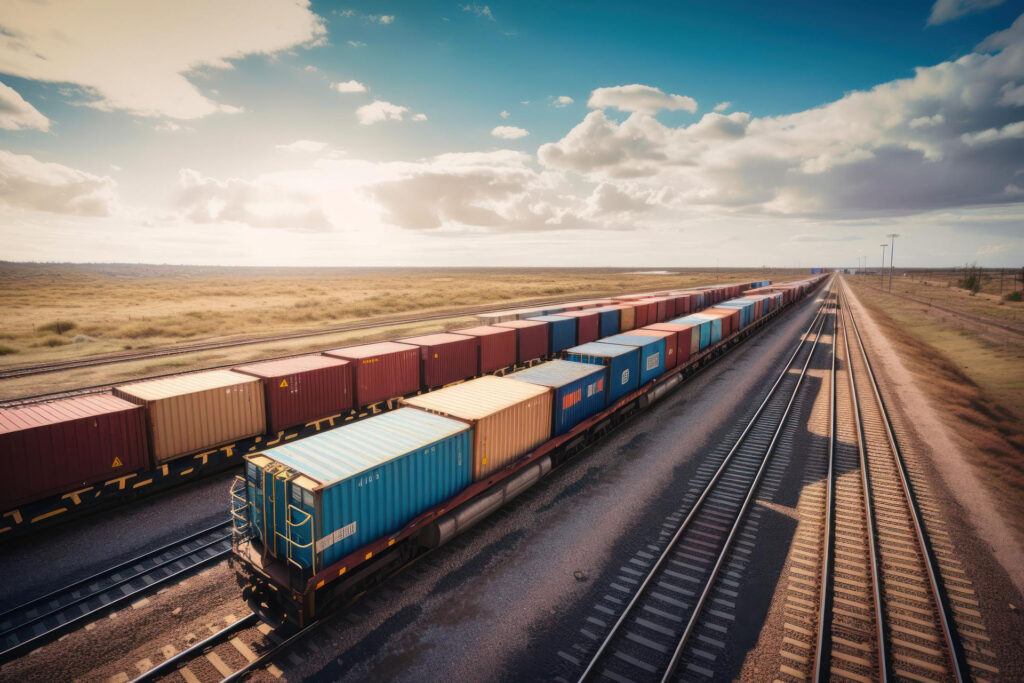
In today’s interconnected global economy, supply chain disruptions are a reality that businesses need to manage effectively. Developing supply chain resilience strategies is crucial to ensure that disruptions have minimal impact and that businesses can adapt and recover swiftly, maintaining their ability to meet customer demand and stay competitive.